


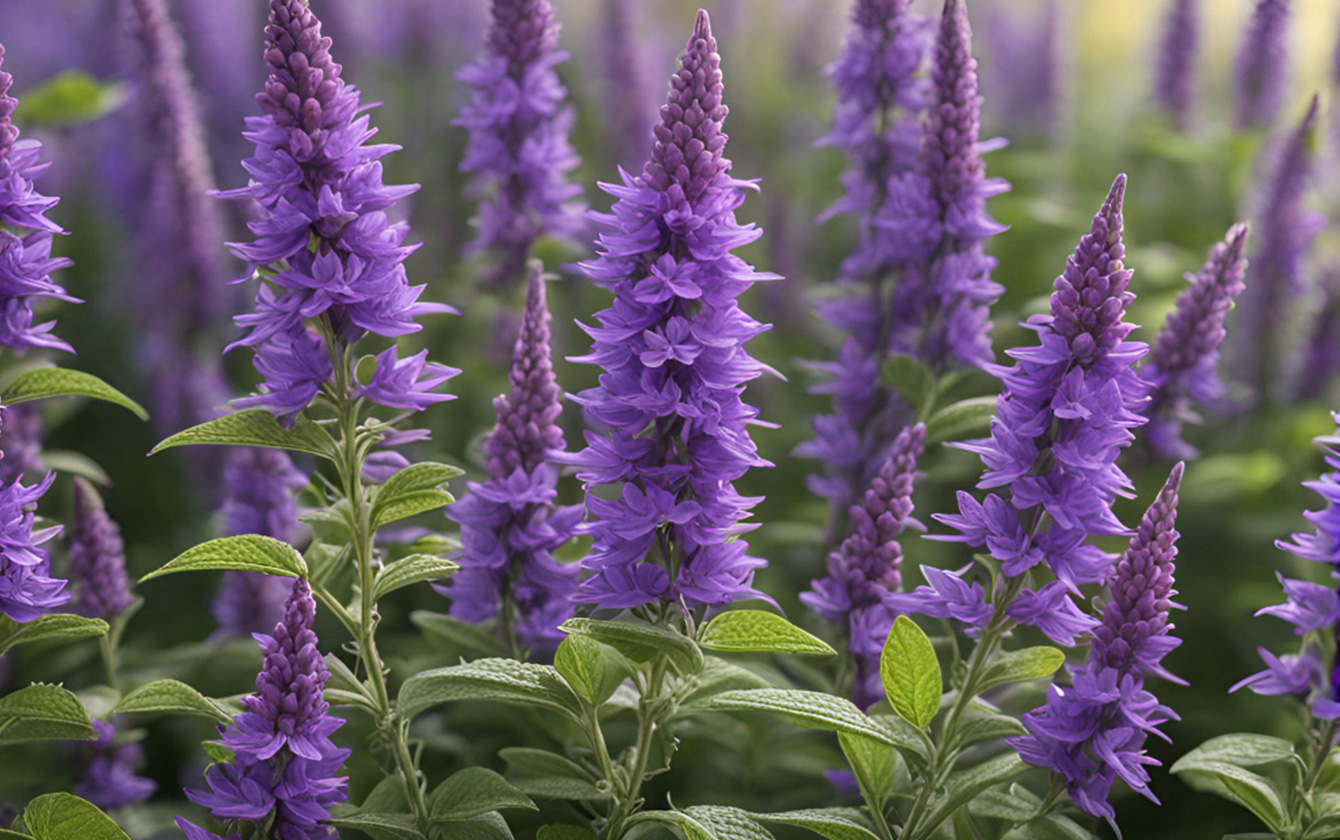
Quick Summary
Salvia divinorum seeds are relatively rare because the plant often produces few viable seeds and has low germination rates. Most cultivated specimens are propagated through stem cuttings, which create clones of the parent plant. Understanding the species' native cloud forest habitat, reproductive challenges, and legal considerations can help collectors make informed decisions. Ongoing scientific research continues to examine the plant's genetics and fertility, making Salvia divinorum an interesting subject for botanical study.
Salvia divinorum has attracted interest among botanical enthusiasts for decades due to its unusual growth habits and distinctive place within the mint family. Many people searching for Salvia divinorum seeds are surprised to learn that seeds play a much smaller role in cultivation than they do for many other plants. Understanding how this species reproduces can help readers make informed decisions when researching and collecting botanical specimens.
Salvia Divinorum Seeds Are Surprisingly Rare
One of the first things to know about Salvia divinorum seeds is that they are uncommon compared to the seeds of many other cultivated plants. Salvia divinorum often produces flowers, but viable seeds do not develop consistently.
This characteristic has shaped how the plant has been propagated over time. People looking for Salvia divinorum for sale frequently encounter rooted cuttings or established plants rather than seed packets because successful seed production remains relatively uncommon.
Why Seed Production Is Limited
Researchers have noted that Salvia divinorum tends to exhibit low fertility. Even when flowering occurs, pollination does not always result in seeds that germinate successfully.
Some botanists believe the species may have a complex cultivation history that contributes to these reproductive challenges. As a result, naturally produced seeds remain difficult to obtain in large quantities.
Most Cultivated Plants Come from Cuttings
Unlike many herbs and ornamental plants, Salvia divinorum is often propagated through stem cuttings. A healthy stem section can develop roots under suitable conditions, creating a new plant genetically identical to the parent.
This practice has become common because it offers a more reliable way to reproduce the species. For many collectors, cuttings represent a more practical option than searching for viable seeds.
What Clonal Propagation Means
When a plant grows from a cutting, it becomes a clone of the original specimen. This method preserves many of the characteristics that growers value.
Due to widespread cloning, many cultivated Salvia divinorum plants share a limited genetic background. That fact has contributed to scientific interest in the species and its reproductive biology.
Understanding the Natural Habitat of Salvia Divinorum
Salvia divinorum originates from the cloud forests of Oaxaca, Mexico. These environments feature moderate temperatures, abundant moisture, and filtered sunlight.
The plant thrives beneath forest canopies where humidity remains relatively high. Conditions found in open, dry landscapes generally differ from those of its native habitat.
Environmental Preferences
The species tends to favor moist soil and indirect light. Excessive heat or prolonged drought can place stress on the plant.
Learning about its natural environment helps collectors understand why cultivation sometimes requires careful attention to growing conditions. Habitat knowledge also sheds light on why the species developed unique reproductive patterns.
Salvia Divinorum Seeds and Germination Challenges
Another important fact about Salvia divinorum seeds involves germination. Even when viable seeds are available, sprouting rates can vary significantly.
Germination is often considered unpredictable, making seed-grown specimens relatively uncommon compared to plants propagated through cuttings.
Factors That Influence Germination
Seed viability plays a major role in germination success. Environmental conditions such as moisture, temperature, and growing medium can also affect outcomes.
Because viable seeds are uncommon, opportunities to study large-scale germination remain somewhat limited. This has made seed-grown plants an interesting subject for botanical observation.
Legal and Regulatory Considerations
The legal status of Salvia divinorum differs across jurisdictions. Some areas permit possession and cultivation, while others restrict or prohibit certain activities involving the plant.
Anyone looking to buy Salvia divinorum should review local regulations before obtaining seeds, cuttings, or living specimens. Laws can change over time, making current information especially important.
Why Local Research Matters
Rules may vary from one state or region to another. A product available in one location may not be permitted elsewhere.
Taking time to understand applicable regulations helps collectors avoid confusion. It also encourages responsible participation within the botanical community.
Scientific Interest Continues to Grow
Salvia divinorum continues to attract interest for its unique genetics, reproductive traits, and botanical history. Questions surrounding seed production remain a topic of discussion among botanical enthusiasts and collectors.
The plant's relatively low fertility rates compared to many related species have contributed to ongoing curiosity about its cultivation and propagation. Understanding these characteristics provides valuable insight into the species and its place within the botanical world.
What Researchers Hope to Learn
Continued interest in Salvia divinorum may lead to a greater understanding of its pollination mechanisms and genetic diversity. Additional knowledge could help explain why viable seeds remain relatively uncommon.
Ongoing exploration of the plant's unique characteristics helps preserve information about a species that has captured the attention of botanical enthusiasts and collectors around the world.
How Salvia Divinorum Fits into a Broader Botanical Collection
Many collectors appreciate unique plants with distinctive cultivation histories. Salvia divinorum is often considered alongside other botanical specimens that attract interest for their cultural, historical, and natural characteristics.
Other plants such as Mimosa Hostilis, Egyptian Blue Lotus, and Banisteriopsis Caapi are also recognized for their unique botanical backgrounds. These plants are often discussed in relation to their characteristics, traditional connections, and cultivation history.
Building Botanical Knowledge
A thoughtful collection often begins with research. Understanding a plant's origin, growth habits, and reproductive patterns can create a deeper appreciation for botanical diversity.
Learning about seed rarity, cloning practices, and habitat requirements helps place Salvia divinorum within a broader context. That knowledge can benefit both new enthusiasts and experienced collectors.
Key Takeaways About Salvia Divinorum Seeds
The most important thing to remember is that Salvia divinorum seeds are much rarer than many people expect. Limited fertility and inconsistent germination have made vegetative propagation the preferred method for maintaining cultivated plants.
For those interested in botanical education, understanding these characteristics offers valuable insight into the species. It also explains why collectors often encounter rooted specimens, cuttings, or discussions about live plants and seeds rather than large quantities of commercially available seeds.
Explore Our Selection of Botanical Offerings
Professor Seagull's SmartShop offers a carefully curated range of unique botanical products, including Salvia, Mimosa Hostilis, Egyptian Blue Lotus, and Banisteriopsis Caapi. Shop our collection online and find quality botanical offerings today.
FAQs
Are Salvia divinorum seeds easy to find?
No. Viable Salvia divinorum seeds are generally uncommon because the plant often has low fertility and inconsistent seed production. This rarity is one reason why many collectors encounter cuttings or established plants instead of seeds.
Why do growers use cuttings instead of seeds?
Cuttings offer a more reliable way to reproduce Salvia divinorum. A cutting develops into a clone of the parent plant, allowing growers to maintain specific plant characteristics without relying on unpredictable seed germination.
Can Salvia divinorum grow from seeds?
Yes, Salvia divinorum can grow from seeds when viable seeds are available. However, germination rates may vary, and successful seed production occurs less frequently than in many other plant species.
Is Salvia divinorum legal everywhere?
No. Laws regarding Salvia divinorum differ by country, state, and region. Anyone interested in obtaining seeds, cuttings, or plants should review current local regulations before making a purchase.
Why is Salvia divinorum studied by researchers?
Researchers are interested in the plant's genetics, reproductive biology, and cultivation history. Studies continue to investigate why seed production is limited and how the species has been maintained through generations of vegetative propagation.

 Previous
