

Quick Summary
Yopo seeds carry a long ethnobotanical history, but responsible handling begins with clear boundaries. They should be treated as botanical specimens for collection, education, respectful display, and cultural study – not as products for ingestion or casual experimentation. Safe ownership also means checking local rules, retaining the original label, storing the seeds securely away from children and pets, and avoiding preparation, extraction, or medical claims.
People searching for how to use yopo seeds often encounter a confusing mix of traditional history, modern speculation, and unsafe instructions. The responsible answer is simpler: treat Yopo, or Anadenanthera peregrina, as a culturally significant botanical specimen rather than a casual-use product. At Professor Seagull’s Smartshop & Gallery, we offer these seeds for collection and educational purposes only. They are not intended for human consumption, and we do not give dosing, preparation, or therapeutic advice.
What Are Yopo Seeds?
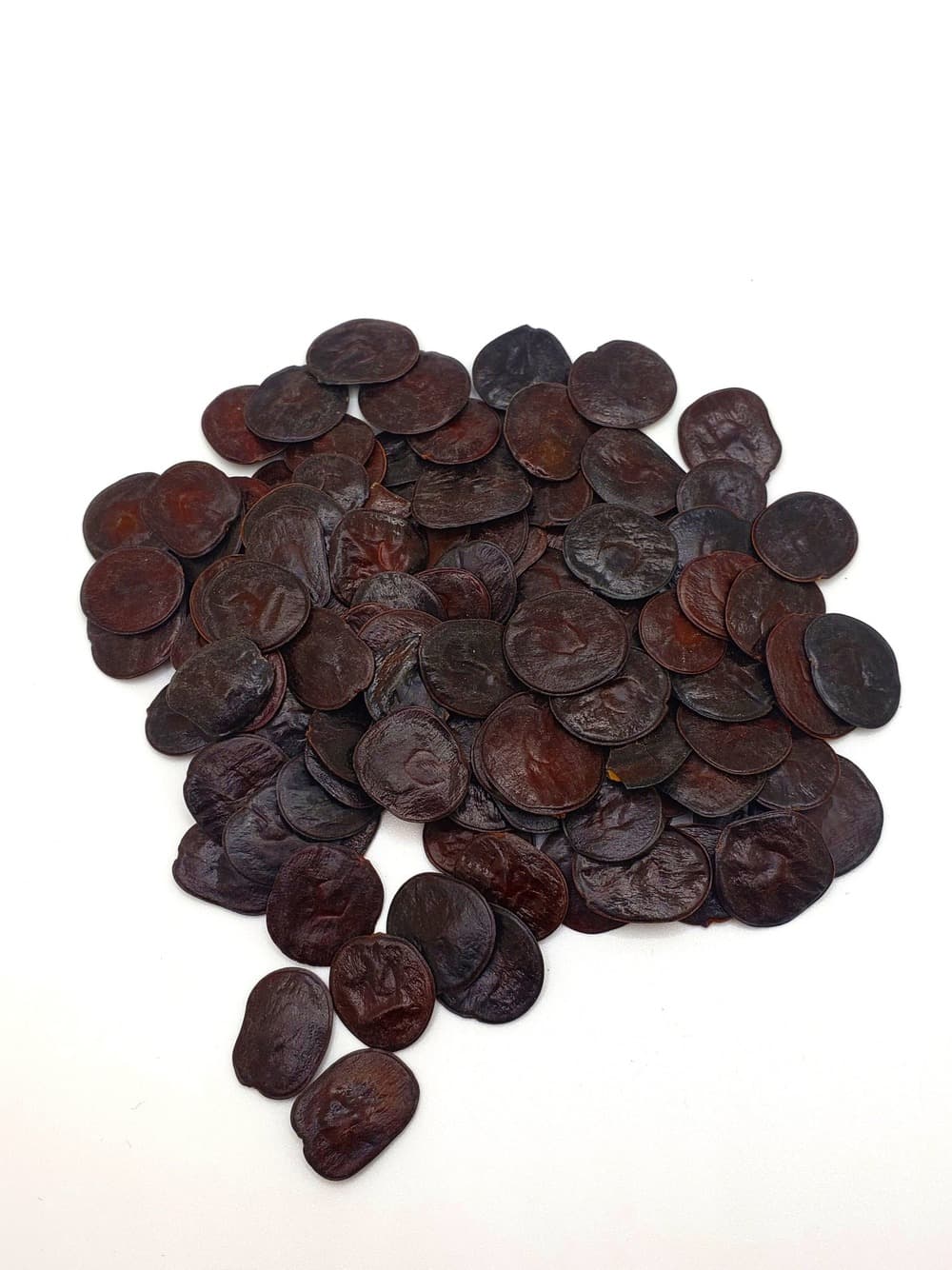
Yopo seeds come from Anadenanthera peregrina, a tropical tree native to parts of South America and the Caribbean. Indigenous communities have historically included the plant in structured ceremonial and cosmological traditions. That history matters because it places Yopo within living cultural systems—not in the category of novelty products or internet challenges.
For contemporary collectors, the seeds may be studied as examples of ethnobotany, included in a labeled botanical archive, or displayed as part of an educational collection. A responsible description should distinguish documented cultural history from medical evidence and should never turn traditional practice into a casual how-to guide.
Use the Product Label as Your First Safety Guide
The safest approach begins with the instructions attached to the specific product. Our Yopo listing identifies the seeds as a collection item and states that they are not for ingestion. Keep the original packaging and label with the specimen so its botanical identity, intended purpose, and warnings remain clear.
Do not assume that online discussion overrides the seller’s label. Product descriptions can differ by supplier, jurisdiction, and intended use. If a package states “not for human consumption,” that restriction should be treated as final—not as a suggestion to reinterpret.
Responsible Ways to Keep and Study Yopo Seeds
Build an Educational Botanical Collection
A carefully labeled collection can document the scientific name, geographic range, traditional context, purchase date, and source. This approach supports research and curiosity without attempting to recreate restricted or potentially dangerous practices. Our broader selection of sacred ceremonial plants can also help collectors compare how different cultures have understood botanicals through ritual, symbolism, art, and community.
Use the Seeds for Respectful Display
Yopo seeds may be kept in a sealed specimen jar, educational display case, or personal altar when that presentation is respectful and clearly labeled. Avoid decorative arrangements that make the seeds easy to mistake for food, spices, or ordinary garden seed. Cultural objects deserve context, not costume.
Store Yopo Seeds Safely at Home
Keep the seeds dry, sealed, and protected from heat, moisture, and direct sunlight. Use a clearly marked container, preferably one that children or pets cannot open. Store it separately from food, supplements, culinary spices, and ordinary garden supplies. Good labeling reduces accidental handling and preserves the value of the specimen.
Wash your hands after handling unfamiliar botanical materials, especially before touching your face or preparing food. If a container is damaged or unlabeled, isolate it until the contents can be identified. Never give loose seeds to another person without the original warnings and botanical information.
Practices to Avoid
Safe handling means avoiding ingestion, smoking, snuffing, extraction, concentrated preparations, and combinations with other plants, medications, alcohol, or psychoactive substances. It also means avoiding step-by-step instructions shared by anonymous sources. Potency, contamination, individual health factors, and drug interactions can create serious and unpredictable risks.
Do not use Yopo seeds to self-treat a physical or mental health condition. Anyone who believes accidental exposure has occurred should contact a medical professional or poison-control service promptly. Responsible harm reduction sometimes sounds less glamorous than internet folklore. That is fine. Staying alive and keeping others safe has never needed better branding.
Check Legal and Shipping Restrictions
Federal legality does not guarantee identical treatment in every state or locality. Rules can change, and agricultural restrictions may also affect certain plant materials. Review current laws before ordering, possessing, transferring, displaying, or attempting to grow any ethnobotanical seed. Our shop is intended for adults age 21 and older, and our checkout system applies location-based restrictions where required. Buyers remain responsible for understanding the rules that apply to them.
Choose a Source That Treats Yopo With Respect
When comparing Anadenanthera peregrina seeds for sale, look for accurate botanical identification, clear warnings, secure packaging, and an honest explanation of intended use. Avoid sellers that rely on vague claims, miracle language, or covert preparation advice. A trustworthy source should make the boundaries obvious.
Responsible sourcing also means avoiding wild-harvested material when provenance is unclear and favoring vendors who identify species accurately and communicate restrictions without evasive language.
Professor Seagull’s brings botanical goods, art, education, and North Beach counterculture together under one roof. Our collection of live plants and seeds reflects the same commitment to curiosity, careful sourcing, and plainspoken information.
Explore Yopo Seeds With Professor Seagull’s Smartshop
Adults interested in ethnobotanical collection and cultural study can explore our yopo seeds for sale online.
Read the complete product description and warnings before ordering, confirm that shipping is permitted in your location, and keep the specimen in its original labeled packaging.
FAQs
Can Yopo Seeds Be Consumed?
No. The Yopo seeds sold by Professor Seagull’s are not intended for human consumption. We offer them as botanical samples for collection, education, contemplation, and cultural study.
How Should Yopo Seeds Be Stored?
Keep them sealed in a dry, clearly labeled container away from heat, direct sunlight, food, children, and pets. Retain the original packaging and product warnings.
Are Yopo Seeds Legal Everywhere in the United States?
Laws and shipping restrictions may vary by state or locality and can change. Check current regulations before ordering or possessing the seeds. Our website blocks restricted shipments where applicable.

 Previous
